
Pre-Treatment Plant
Tararua District Council is progressing upgrades to the Dannevirke Water Treatment Plant to improve the resilience and reliability of Dannevirke’s drinking water supply, particularly during periods of heavy rainfall and high river flows.
Why these upgrades are needed
Dannevirke’s water supply is sourced from the Tamaki River and stored within the town’s impounded water supply and reservoirs.
During heavy rainfall, the river can become highly turbid (murky), resulting in elevated levels of suspended particles in the water.
At present, the Water Treatment Plant can only treat raw water with turbidity levels of 10 Nephelometric Turbidity Units (NTU) or lower. When river conditions exceed this level, the plant is unable to treat incoming water and the town must rely on stored water supplies.
This creates a vulnerability during prolonged wet weather events when river water quality is at its poorest.
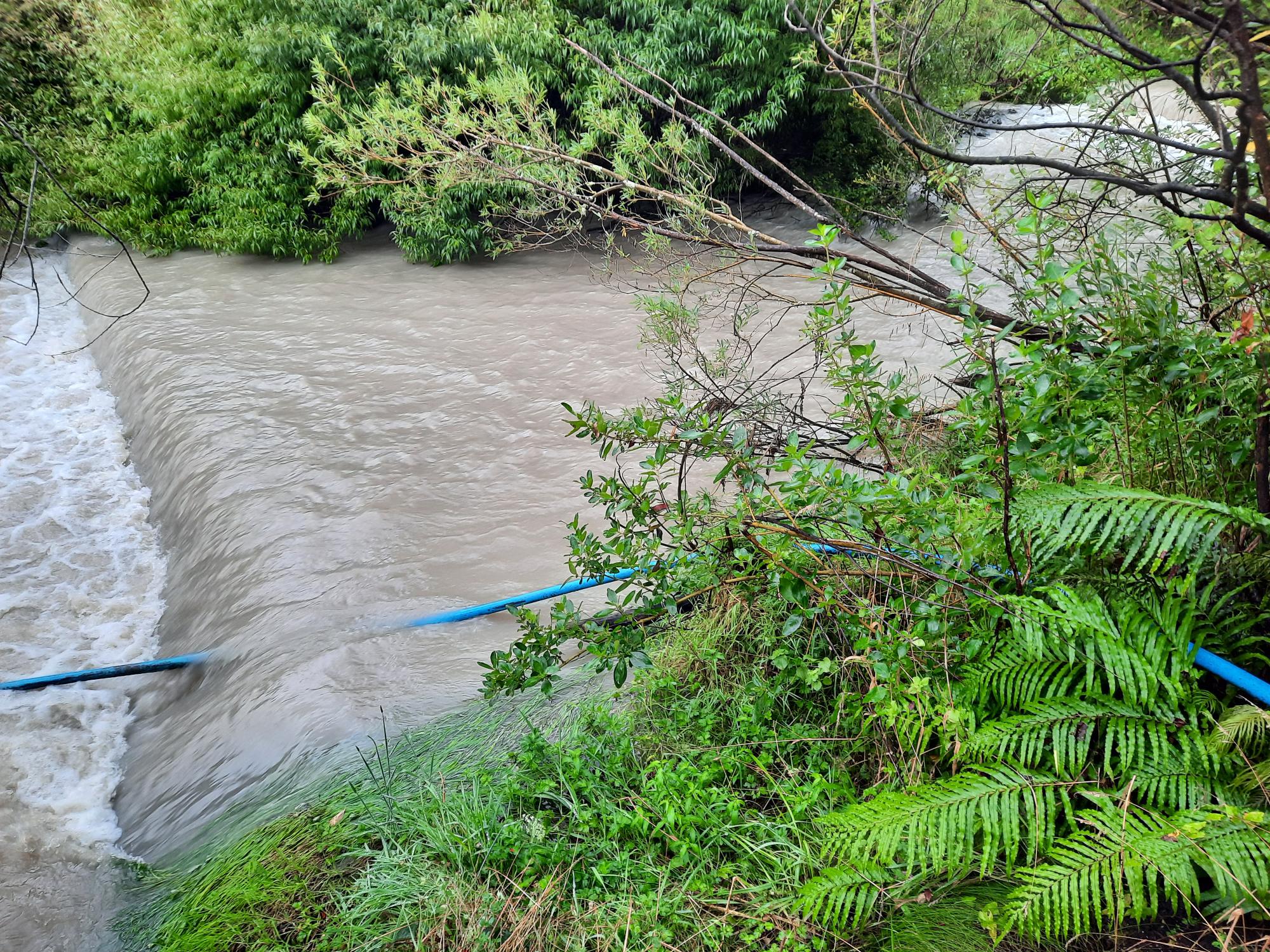
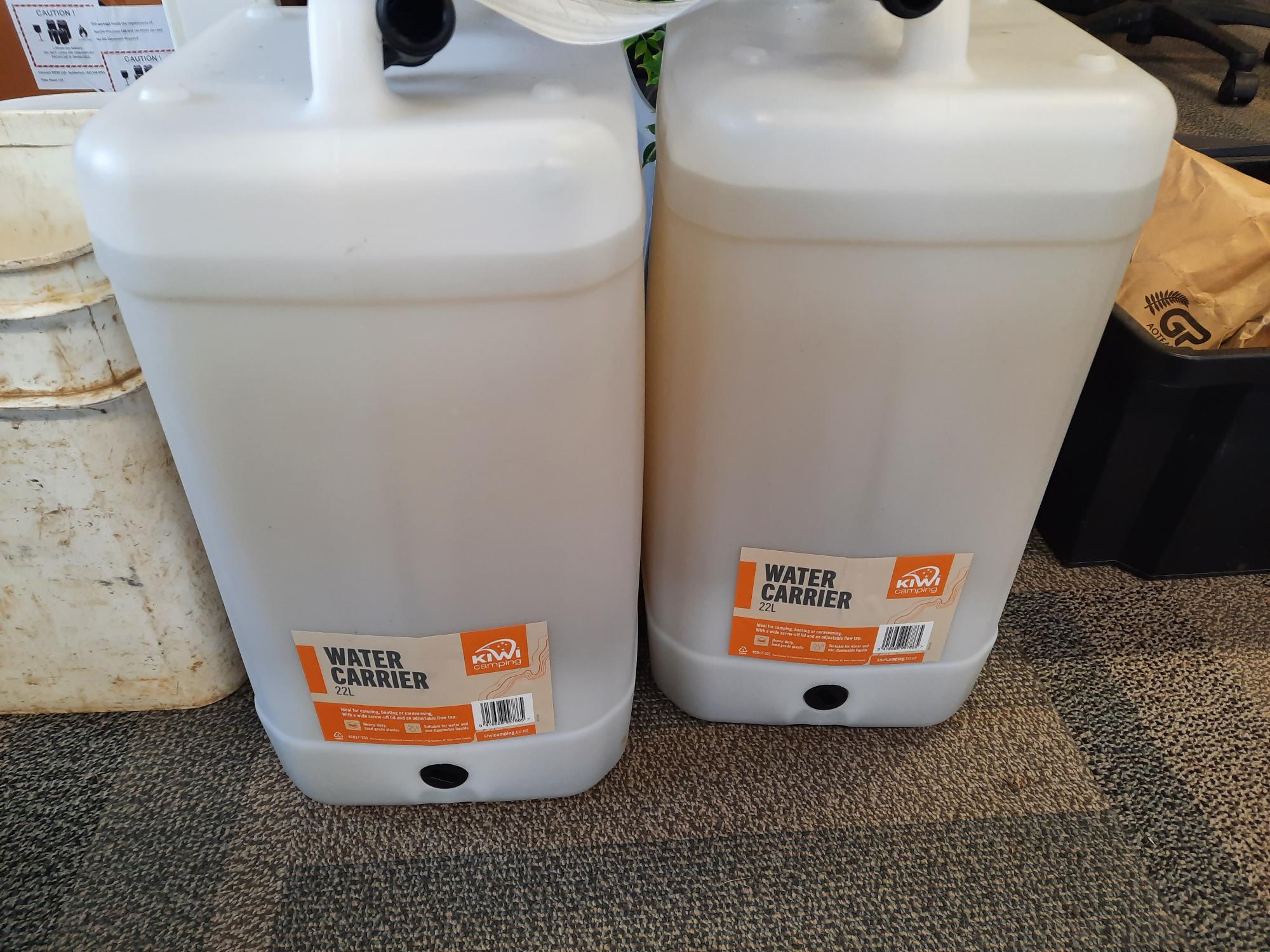
Testing of turbid water took place in March 2025.
What is being done?
To improve performance during these events, Council is installing additional pre-treatment processes at the Water Treatment Plant, including coagulation and flocculation.
These processes help remove fine suspended particles from the water before it enters the main treatment system, improving water clarity and enabling the plant to manage higher turbidity levels more effectively.
What this will achieve
Once completed, the upgrades will:
- Improve the plant’s ability to treat water during heavy rainfall events
- Reduce reliance on stored water supplies alone
- Strengthen the reliability and security of Dannevirke’s drinking water supply
- Improve overall resilience of the water treatment system
More information
Council will continue to provide updates as the project progresses, including key milestones and any potential impacts during delivery.
Drinking water standards
Under the Drinking Water Standards for New Zealand (administered by Taumata Arowai), treated drinking water must meet strict turbidity requirements to ensure it is safe. Treated water leaving the plant typically must be below 1 NTU.
These low turbidity levels help ensure bacteria, viruses and protozoa are removed or inactivated effectively.
FAQs
The Dannevirke Water Treatment Plant can currently only treat river water when turbidity levels are 10 NTU or lower. During heavy rainfall, the Tamaki River can become very murky, exceeding this limit. When that happens, the plant cannot treat incoming water and the town must rely on stored water supplies.
The upgrades will improve the plant’s ability to treat more challenging river conditions and strengthen the reliability of the water supply.
Turbidity is a measure of how clear or murky water is. It increases when water contains fine particles such as silt, clay, or organic material.
NTU stands for Nephelometric Turbidity Units.
It’s a measurement of how cloudy or murky water is. The higher the NTU number, the more particles (such as silt, clay, organic matter or debris) are suspended in the water.
So basically:
- Low NTU = clear water
- High NTU = cloudy or muddy water
After heavy rainfall, the Tamaki River becomes more turbid (cloudy or dirty) as sediment is washed into the river. During these times, NTU levels can rise significantly.
High turbidity makes water harder to treat, it reduced the effectiveness of disinfection, and can indicate the potential presence of microorganisms. That's why water treatment plants have limits on the turbidity level of water they can safely and effectively treat.
To improve performance during these events, Council is installing additional pre-treatment processes at the Water Treatment Plant, including coagulation and flocculation.
These processes help remove fine suspended particles from the water before it enters the main treatment system, improving water clarity and enabling the plant to manage higher turbidity levels more effectively.
The upgrades will:
- Allow the plant to treat higher turbidity water
- Reduce reliance on stored water during heavy rain events
- Improve overall reliability of the water supply
- Strengthen resilience during challenging river conditions
When river water becomes highly turbid, it contains too many fine particles for the current treatment system to handle effectively. Without pre-treatment, the system cannot reliably process water above 10 NTU.
The upgrades add an extra step to remove those particles before full treatment.
Council will provide updates if any planned works are expected to impact supply or cause temporary disruption.